
Dermaplaning vs. Chemical Exfoliants vs. Microdermabrasion — What Actually Works
Three common exfoliation methods compared honestly. When dermaplaning is the right choice, when it is not, and what the research says about each.
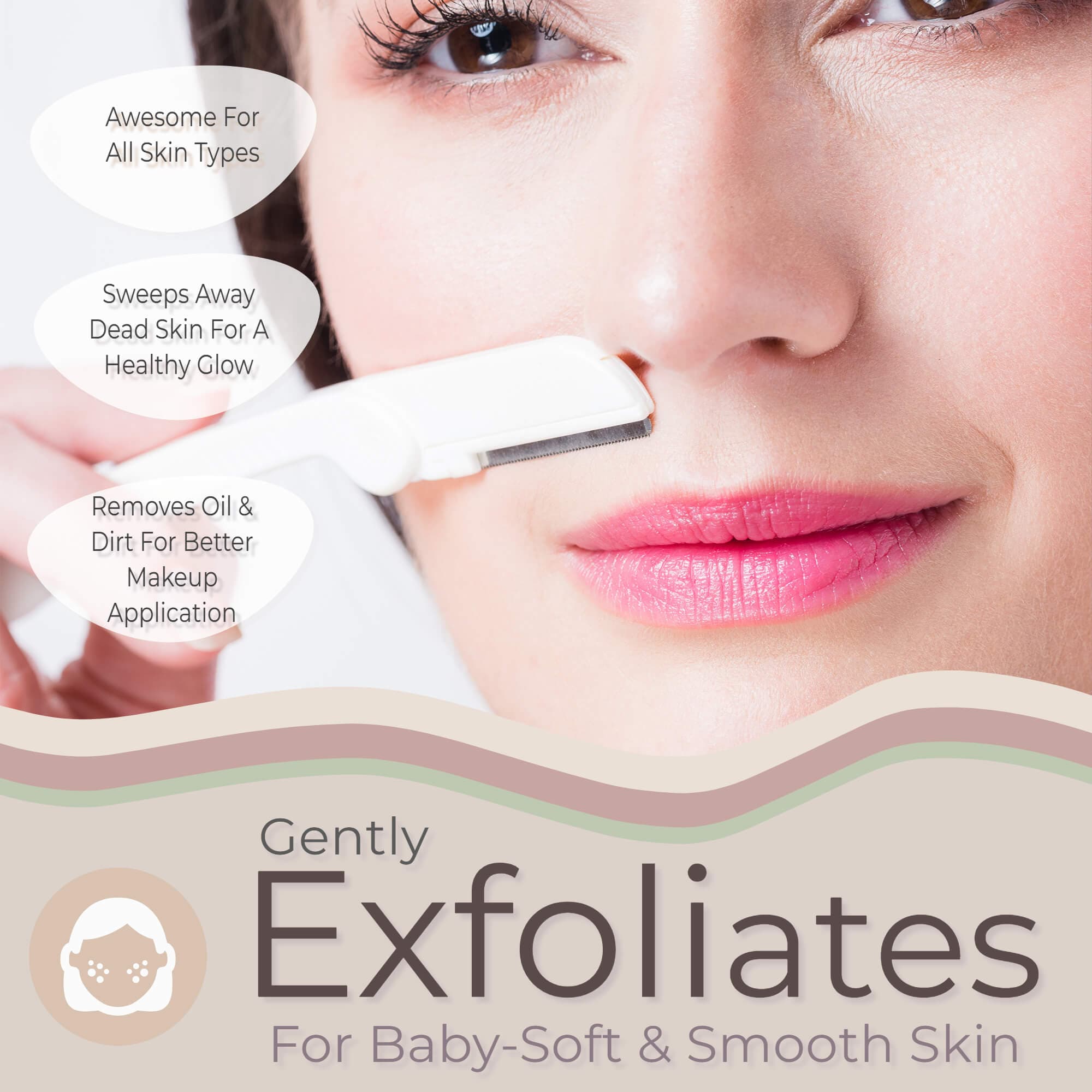
There are three mainstream exfoliation categories: physical (dermaplaning, scrubs, microdermabrasion), chemical (AHAs, BHAs, retinol), and energy-based (laser, IPL). Most skin care content treats them as competing alternatives. They are not. They work differently, at different layers of the skin, and combining them strategically produces better results than any single method alone.
Here is an honest comparison of the three most common options.
Dermaplaning
What it does: Removes the outermost layer of dead skin cells (stratum corneum) and vellus hair (peach fuzz) using a single-edge blade.
Depth: Epidermis only — the top 0.02–0.05mm.
Best for:
- Immediate smoothing before an event
- Improving product absorption
- Removing peach fuzz that causes uneven makeup application
- Sensitive skin that cannot tolerate chemical exfoliants
Limitations:
- Does not address hyperpigmentation, fine lines, or acne scarring below the epidermis
- Requires fresh blade every 1–2 uses (a reused blade is the primary risk)
- Cannot be used over active acne
Cost at home: ~$1.11 per session (a Dermaplaning Razor — 9-Pack is $9.97)
Chemical Exfoliants (AHAs/BHAs)
What they do: Break the bonds between dead skin cells, allowing them to shed. AHAs (glycolic, lactic) work at the surface. BHAs (salicylic) penetrate pores.
Depth: Surface to mid-epidermis depending on concentration.
Best for:
- Consistent long-term texture improvement
- Hyperpigmentation and uneven tone
- Acne (BHAs specifically)
- Building a daily or weekly maintenance routine
Limitations:
- Increases sun sensitivity — daily SPF is non-negotiable
- Can cause irritation if overused
- Takes 4–6 weeks of consistent use to show significant results
Cost at home: $20–$80 per product, lasting 1–3 months
Microdermabrasion
What it does: Physical abrasion using fine crystals or a diamond tip, delivered by a machine.
Depth: Upper epidermis, slightly deeper than at-home dermaplaning depending on settings.
Best for:
- Mild texture concerns
- Professional office treatment with visible immediate results
- Combination with other in-office procedures
Limitations:
- Expensive ($100–$200 per session in a clinic)
- At-home devices are significantly less effective than professional equipment
- Not suitable for sensitive or reactive skin
Cost: $100–$200 per professional session; $30–$100 for at-home devices
Which to Use When
| Goal | Best Option |
|---|---|
| Immediate smoothing before an event | Dermaplaning |
| Long-term tone and texture improvement | Chemical exfoliants |
| Acne and congested pores | BHA (salicylic acid) |
| Removing peach fuzz | Dermaplaning |
| Budget-conscious home routine | Dermaplaning + AHA alternated |
The Combination That Works
For most people, the most effective at-home routine is:
- Dermaplane every 3–4 weeks, with a fresh blade and a few drops of pre-shave oil
- Apply AHA serum 1–2 nights per week
- SPF every morning
Wait 24–48 hours between methods
Dermaplaning immediately before a chemical exfoliant application is not recommended — freshly dermaplaned skin absorbs more aggressively, which can cause irritation with acidic formulas. Give your skin 24–48 hours before reintroducing acids or retinoids.
The short version: dermaplaning and chemical exfoliants are complementary, not competitive. Use both.