
How to Dermaplane at Home — A Step-by-Step Guide
Dermaplaning removes dead skin and vellus hair with a single-edge blade. Here is exactly how to do it safely at home in under ten minutes.
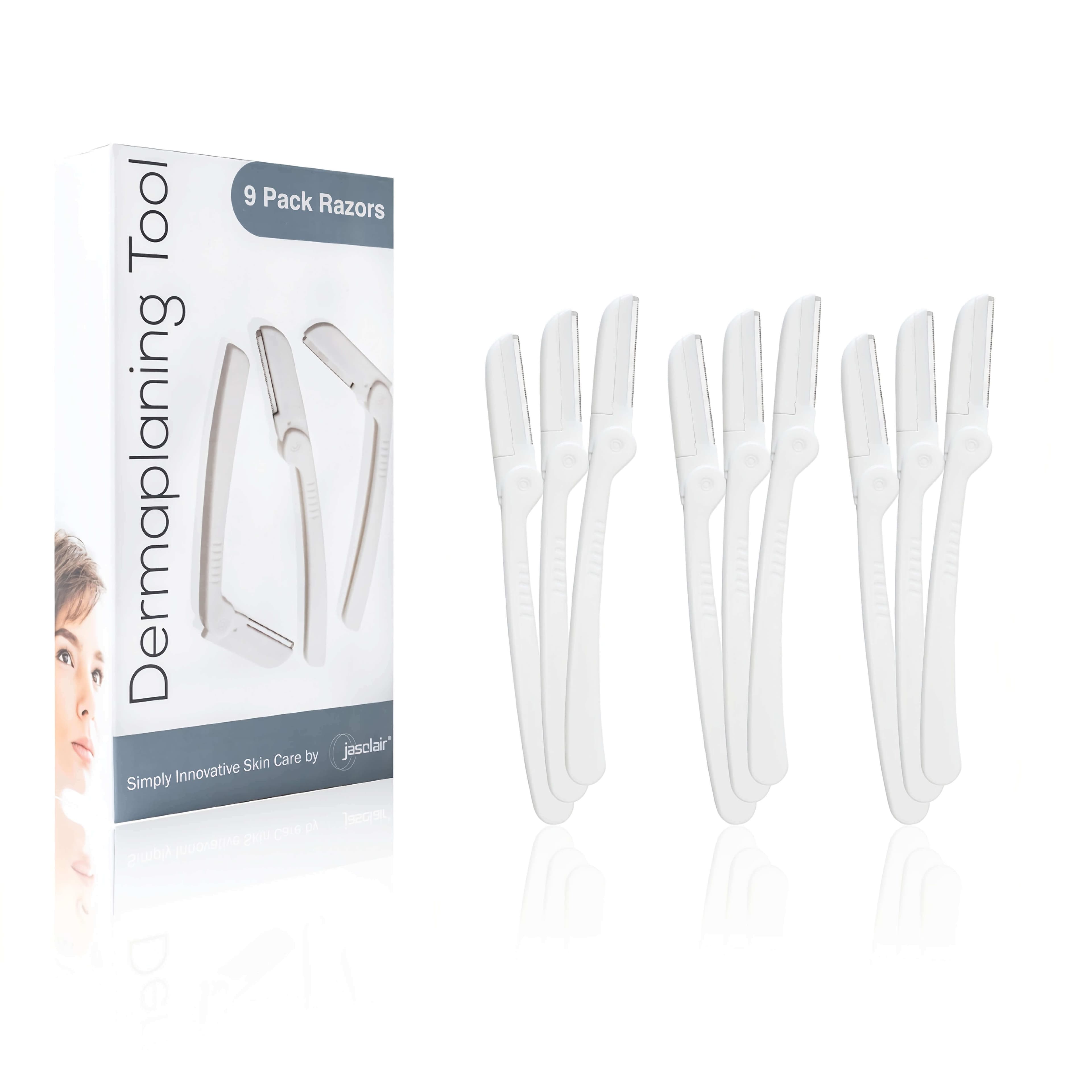
Dermaplaning is one of the most effective exfoliation methods available — and one of the most misunderstood. Salons charge $60–$120 per session. At home, with the right blade, the cost drops to about $1.11.
Here is the exact method I use.
What You Need
- A fresh dermaplaning razor (replace every 1–2 uses — a dull blade is the only real risk)
- Pre-shave oil or a lightweight facial oil
- A clean, dry face
The Process
1. Cleanse and dry completely
Water on the skin changes blade behavior. Pat your face completely dry after washing.
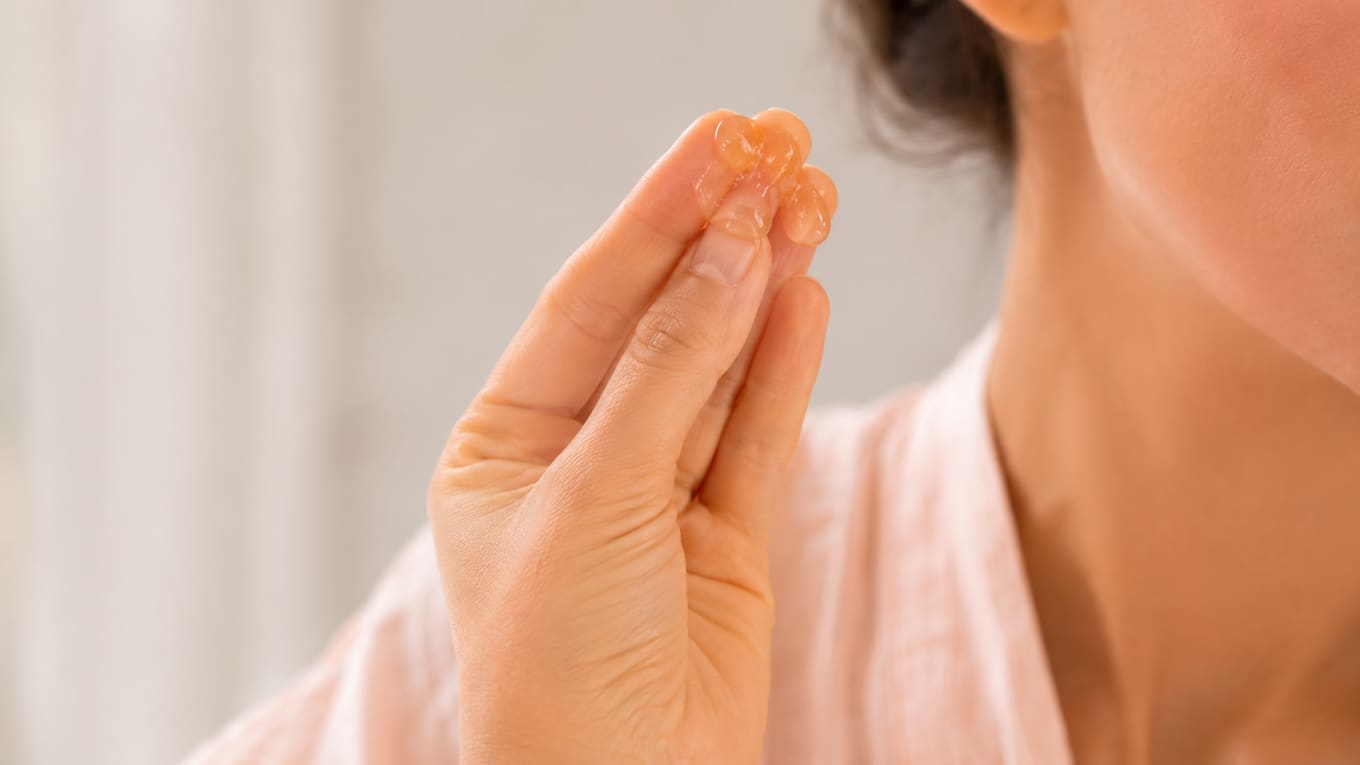
2. Apply two to three drops of oil
Pre-shave oil creates a thin barrier so the blade glides rather than drags. Apply to the area you are working on, not the whole face at once. Almost any lightweight, non-comedogenic oil works — what you want to avoid is anything heavy or pore-clogging.
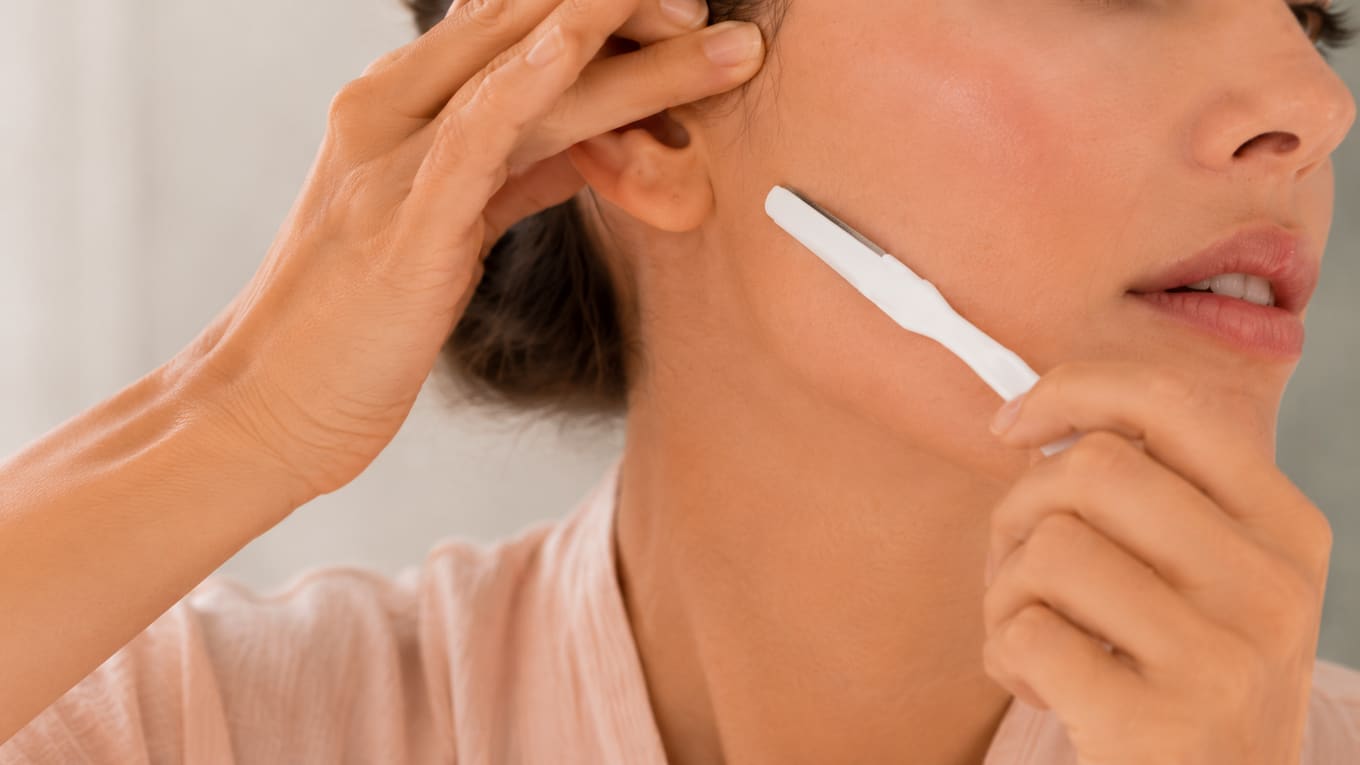
3. Hold the blade at 45 degrees
This is the angle that removes dead skin without cutting. Flatter than 45 degrees and you lose efficacy. Steeper and you risk nicks.
4. Short, downward strokes with the grain
Work in small sections — forehead, cheeks, jawline. Always move with the direction of hair growth. Use light pressure. The blade does the work.
5. Wipe the blade between passes
Dead skin and oil collect on the blade. Wipe it on a clean cloth between each stroke so you are always working with a clean edge.
Tip
If the blade starts to drag mid-pass, that's debris or friction — not a signal to press harder. Wipe the blade and add another drop of oil before continuing.
6. Finish with serum
Freshly dermaplaned skin absorbs topicals more effectively. Apply a hydrating serum — a snail mucin recovery serum works well here — immediately after, while your skin is most receptive in the first few minutes.
Wait before actives
Skip AHAs, BHAs, retinoids, and physical exfoliants for 24–48 hours after dermaplaning. Freshly exfoliated skin absorbs more aggressively, and acids applied too soon cause stinging and irritation.
How Often
Every three to four weeks for most skin types. Your skin needs time to rebuild its surface layer. More frequent sessions do not improve results and can cause sensitivity.
What to Avoid
Active acne. Skip any area with breakouts — the blade can spread bacteria.
Sunburned or irritated skin. Wait until your skin is fully calm.
Immediately before sun exposure. Freshly dermaplaned skin is more sensitive to UV. Apply SPF and avoid direct sun for 24 hours.
The Blade Matters More Than the Technique
Most at-home dermaplaning problems trace back to a dull blade. A fresh chrome-plated stainless steel blade glides. A used one drags. Replace yours every one to two sessions — at $1.11 a blade, there is no reason not to.