
Jojoba Oil for Dermaplaning: Does It Actually Work?
Jojoba is one of the better oils to dermaplane with: lightweight, low on the pore-clogging scale, and close to your skin's own oil. Why, and how to use it.
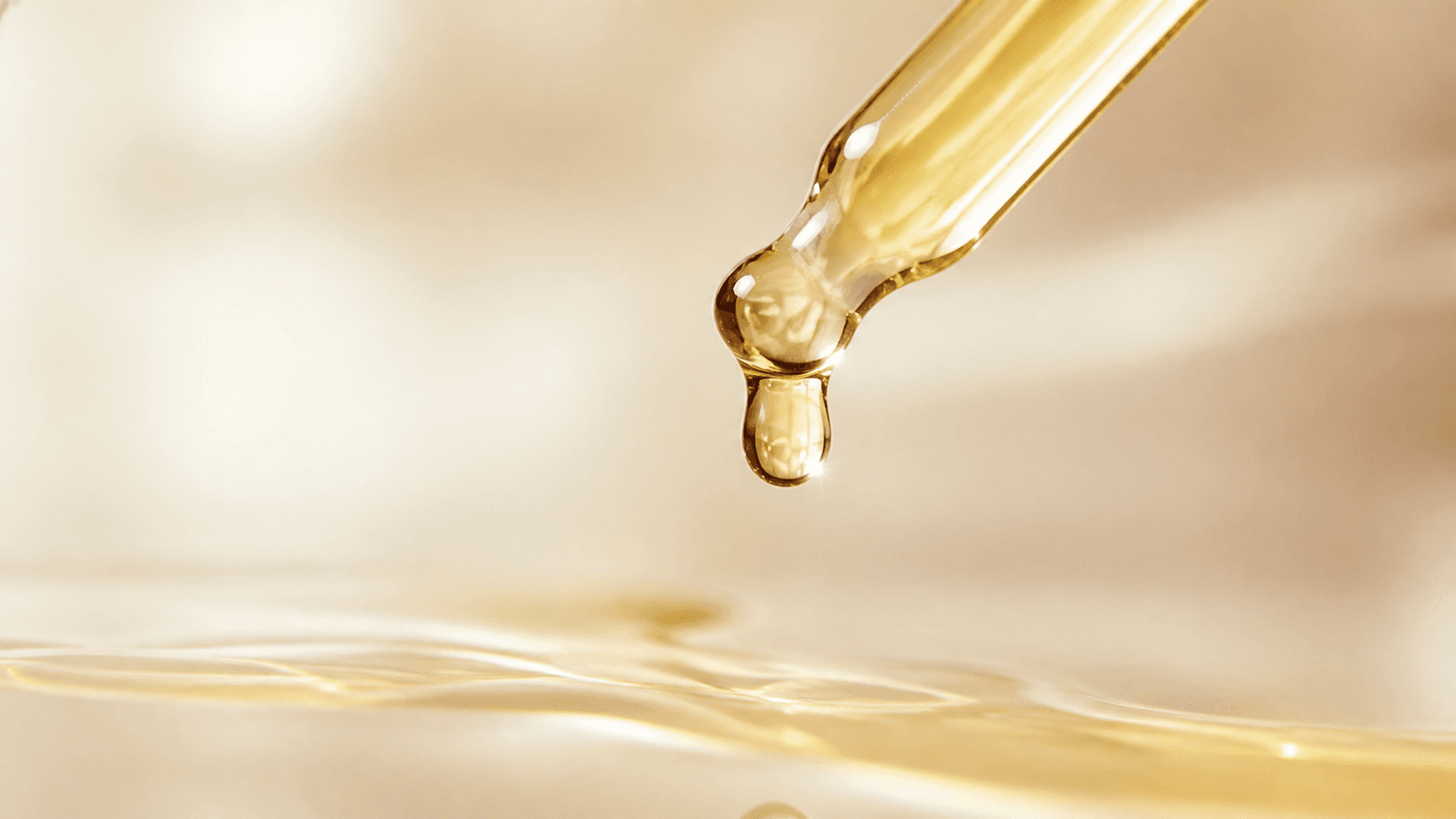
Yes — jojoba oil is one of the better oils to dermaplane with. It's lightweight, absorbs without leaving a greasy film, and sits low on the comedogenic (pore-clogging) scale. Because it closely resembles the oil your skin already makes, the blade glides instead of dragging, which is the whole point of a pre-shave oil. Two or three drops is enough.
The short version:
- Jojoba is technically a liquid wax ester, not a true oil — and that's why it works.
- Its structure closely mirrors your skin's own sebum, so it absorbs cleanly.
- It's generally rated about a 2 on the 0–5 comedogenic scale: low risk of clogging pores.
- Use it as a thin pre-shave layer; a drop afterward calms the skin.
- A blend made for dermaplaning gives you jojoba's glide plus a stronger barrier.
Why jojoba works so well for dermaplaning
Dermaplaning is a blade moving across your skin. On dry skin, that blade catches — it drags over flaky patches and uneven texture, and the friction is what leaves you red and bumpy. A pre-shave oil removes the friction so the blade travels in one smooth pass.
Jojoba is good at this for a structural reason. It isn't really an oil. It's a liquid wax ester — roughly 98% wax esters — and those wax esters closely resemble the ones in your skin's own surface oil (sebum is about 25% wax esters). So jojoba spreads in a thin, even film and absorbs without sitting heavy on top.
That structural match also explains why it's gentle. Jojoba is generally considered non-comedogenic, rated around a 2 out of 5 for clogging pores. Worth knowing: the comedogenic scale is a rough guide from older testing, not a guarantee for every person — but jojoba's track record on sensitive and acne-prone skin is one of the better ones among facial oils.
How to use jojoba oil for dermaplaning
The technique is the same as any good pre-shave oil. Light layer, sharp blade, slow strokes.
Step 1 — Cleanse and dry your face. Oil goes on clean skin. Any leftover makeup or SPF gets in the way of an even glide.
Step 2 — Apply two or three drops. Warm them between your fingers and press a thin film over the area you're treating. You want a sheen, not a puddle. More oil doesn't mean a closer pass; it just makes the blade skate.
Step 3 — Dermaplane at a 45-degree angle with short strokes. Hold the skin taut. Let the blade do the work. If you're using a folding razor, keep the handle open and steady — the foldable design is there to protect the edge and your fingers between strokes, not to change your angle.
Step 4 — Rinse, then press in one more drop. A little oil afterward settles freshly exfoliated skin and locks in moisture.
Before or after dermaplaning — which is it?
Both, and they do different jobs. Before, jojoba is the glide layer that prevents the drag. After, it's a calming step on skin that's just been exfoliated and is more permeable than usual. If you only do one, do the before step — that's the one that prevents irritation in the first place. For what to layer next, the snail mucin aftercare step goes on best in those first few minutes.
Jojoba vs. the other oils people try
Jojoba is a strong single oil, but it isn't the only good one — and a couple of popular picks are quietly bad ideas. Rosehip (rated ~1) and grapeseed (~1) are also light and low-clogging. Coconut oil, despite how often it gets recommended, sits at about a 4 and is a poor choice for facial dermaplaning if you're prone to breakouts. I put the full rundown in the best oils for dermaplaning, including the ones to skip.
Where jojoba fits in the jasclair routine
The jasclair pre-shave oil isn't pure jojoba, and that's deliberate. Single-oil jojoba glides beautifully but is light on barrier. The jasclair blend pairs that fast-absorbing, sebum-like feel with grapeseed, meadowfoam, and squalene-rich oils that hold a slightly stronger protective film across the whole pass. You get jojoba's clean finish without the bare-glide tradeoff. It's unscented and made for facial dermaplaning, so it works the same whether you're doing your cheeks, your upper lip, or your jaw.
If you'd rather mix your own, jojoba on its own is a perfectly reasonable place to start.
FAQ
Is jojoba oil good for dermaplaning? Yes. It's lightweight, absorbs cleanly, and is generally rated low for clogging pores (~2 of 5), so it reduces blade friction without leaving residue.
Do you put jojoba oil on before or after dermaplaning? Before, as the glide layer — and optionally a drop after to calm the skin. The pre-shave step is the one that prevents irritation.
Can jojoba oil cause breakouts? For most people it's low-risk because it resembles the skin's own sebum, but no oil is zero-risk on every skin type. Patch test first if you're very acne-prone.
How much jojoba oil should I use? Two or three drops for the whole face. A thin film is enough; excess just makes the blade skate.
I keep a dropper of oil next to my razor, not in the cabinet. The thirty seconds it takes to warm a couple of drops is the part I used to skip — and skipping it was exactly why my skin used to sting afterward.